Musicians During the Great Depression

How important is it for artists to create or play music that is personal to them? Artists during the Great Depression were hired to be in the WPA by the American Government in the 1930s. They were paid to write and play music that lifted the spirits of a poor nation, that showed patriotism and pride in the US. Orchestras would play selections from the European classics as well, but were always required to play music from an American composer. These American composers were heavily influenced to write in as American of a style as possible, with the overall goal of ending the Depression.
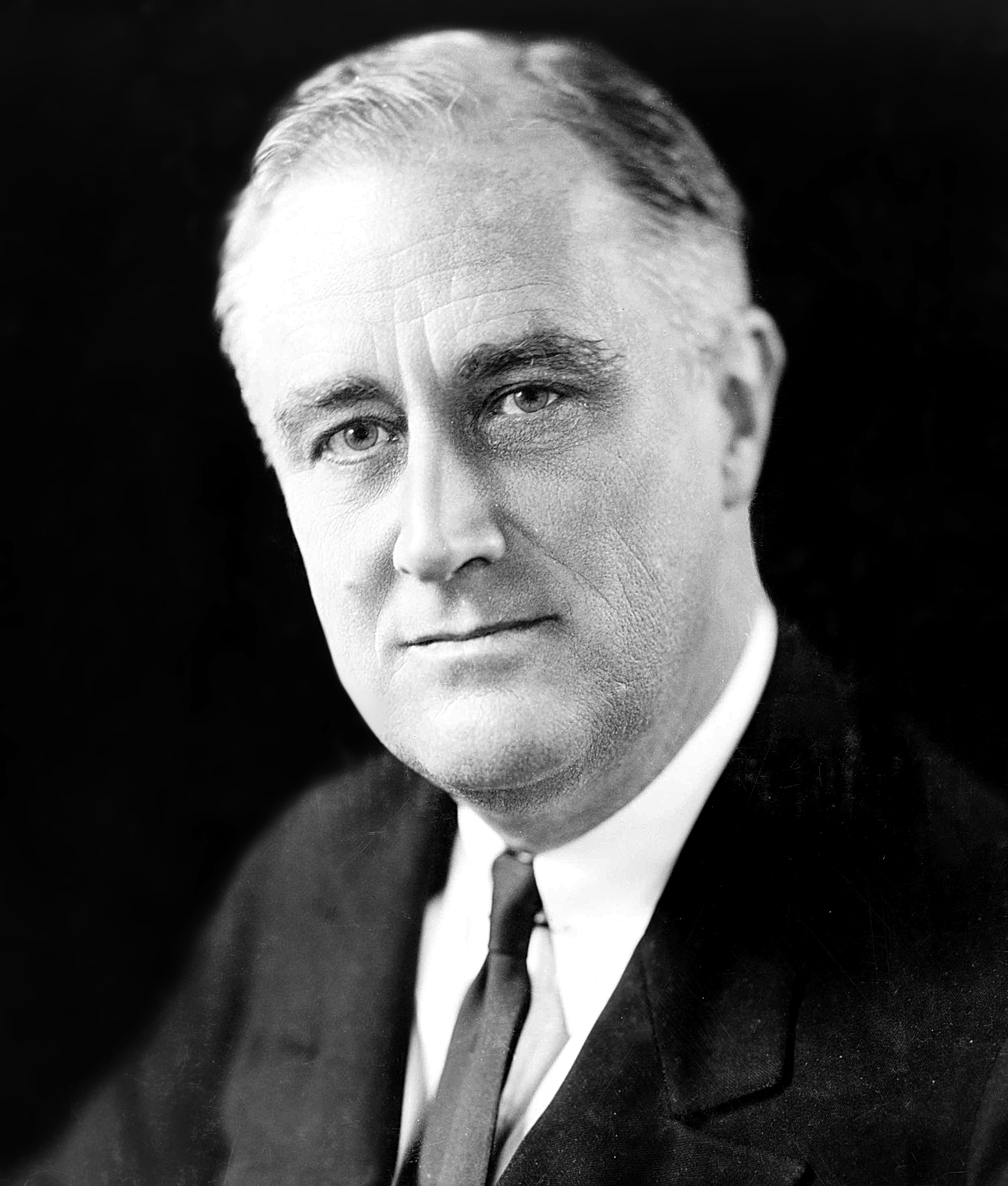
The WPA began on May 6th, 1935 by the Franklin D. Roosevelt administration. The purpose of the Works Progress Administration was to give jobs to Americans during the Great Depression. This was part of FDR’s New Deal, and the idea was to put the Americans to work being creative and uplifting the spirits in the nation. Eleanor Roosevelt was a major influence on FDR to create jobs for Americans in their field where they could be paid, this was very important for boosting the pride and self confidence of Americans. The WPA had many branches to it, and the one for musicians was called the FMP (Federal Music Project). The FMP hired all sorts of musicians including teachers, orchestral players, chamber music players, jazz musicians, singers, composers, etc. It was a bit of a struggle to get classical musicians to support American music at the time, because there was a huge appreciation for European music. Since the WPA was made to create American jobs and focus on American success, it was very important to the US government to insist on a certain amount of the music to be composed by American composers.

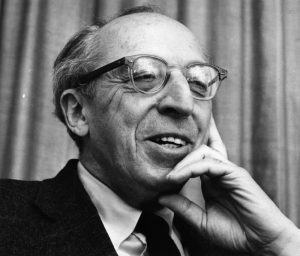
One of these American Composers hired by the WPA was Aaron Copland. Many composers of this time were pretty far left on the political scale, and Copland was not necessarily an exception although he didn’t seem to be an activist. During this war and anti-communist period, the political party in power was the Democratic Party but it was on the conservative side, so as not to appear socialist. This made far leftist musicians not the majority, although the majority of artists and intellectuals were interested in socialist values. Despite some political differences, the WPA still hired musicians based on merit more-so than political ideology (although there were a few cases where the government would not fund a show if it had “inappropriate” content, such as in the play The Cradle Will Rock by Marc Blitzstein). Copland was very popular among the population and the government. He created the sound that we associate “American” music with now. Some of his most famous pieces include Rodeo, Billy The Kid, and Appalachian Spring. He used many American folk tunes to create nationalist music, very similar to how European composers wrote their nationalist music. For example, Appalachian Spring is heavily influenced by Stravinsky’s Rite of Spring because of its use of authentic national music.


https://www.youtube.com/watch?v=WVahuS9hk_s

The question that I have to ask about this program; did it cause composers and musicians to write or play music they wouldn’t naturally have done? And is it the right of the American government to dictate what should be written and played? In the 2017 article Trump is Wrong if He Thinks Symphonies are Superior, Mr. Tommasini writes that President Trump believes that Western music was far superior to specifically Radical-Islamic cultures, essentially encouraging American classical composers to write music to show how much better we are than other cultures. Many politicians during the Great Depression were so afraid of communism (much like Trump is of Islam), that they wanted music to influence American values to show how different they were from communists. Yet by doing this, they copied what the Soviet Union was doing during the Socialist Realism period. Composers in the Soviet Union, like Shostakovich, were afraid of writing music that wasn’t liked by the government because they could be arrested, so they had to find ways to write music following those rules or at least hiding it so well that no one understood. Copland wasn’t afraid of the government coming to take him away in the middle of the night, but it is possible that composers would fear they wouldn’t have a job if they wrote anti-American music. They had to create something that they didn’t necessarily believe in, especially if they were socialists/communists.

Where is the line that we as musicians shouldn’t cross to remain true to our creative selves? Is it more important to treat music as a job or as an art, or can it be both? I don’t think it is fair to say that Copland was a sellout to the American government, but how much should we allow the government to dictate what we can create as art?

History of the Saxophone

The History of the Saxophone


The saxophone is one of the most ubiquitous instruments in America and Europe today. From the jazz clubs to the concert hall to the band room, it seems as though the saxophone is and always has been a common fixture of the musical landscape in America. To the average american, the saxophone is much more familiar to their eyes and ears than say the oboe or viola. This certainly seemed to be the case for me growing up in New Jersey. In New Jersey most people have heard of Clarence Clemons of the East Street Band while almost no one has heard of Juilliard and Curtis educated Principal oboist of the Philadelphia Orchestra John Mack. This is despite the fact the John Mack is a New Jersey Native while The Big Man (Clemmons) is actually from Virginia. Yet, this has not always been the case. The saxophone is a relatively new addition to the woodwind family and did not find its way into american popular music until approximately 1915.


Most instruments in evolve over long periods of time from one more primitive version to a successively more refined version. One may point to C. H. Denner1 who modernized the Chalumeau in the 1740’s as an example of someone “inventing” an instrument. While he did radically improve the instrument by adding the second upper register and addressing intonation issues, he was still building upon centuries of previous designs and methods in order to create his clarinetto. In contrast, the saxophone was invented by Adolphe Sax in 1841 and officially patented in 19462. Sax was a born in Belgium in 1814 to master instrument maker Charles Joseph Sax. By the age of 16, Adolphe was an accomplished instrument maker in his own right3. He had made improvements on the clarinet and cornet and created high quality flutes and clarinets 3. He was also an accomplished musician and had studied at the Brussels conservatory. When Adolphe Sax was creating the saxophone, he was looking to create an instrument which would have the timbre of woodwind instrument but the power and volume of brass instrument. He originally intended for his creation to find its way into the orchestra. With elements from both brass and woodwind instrument families he envisioned it bridging the sonic gap between the two families. However this vision would never be realised.


The saxophone was largely rejected by most “serious” musicians and composers of the day with many regarding it as “unacceptable”. However, the Bb Tenor and Eb alto saxophones were officially adopted into the French military band and thus began the history of popular saxophone music. This is not to say the saxophone was totally out of the classical establishment. Sax himself was instructor of saxophone at the Paris Conservatory and romantic composers such as Jean-Baptiste Singelée5 wrote for the saxophone in the mid to late 1800’s. But most of the music played on the saxophone in the late 19th and early 20th century was military band music. However, around 1915 the saxophone was starting to show up in early recordings of jazz music6. In early jazz music the clarinet was the main woodwind instrument being utilized. However, with its superior projection and volume, the saxophone was a good replacement for the clarinet as jazz band began to play in loud dance halls. Given the saxophones gradual takeover of roles traditionally left to the clarinet, it isn’t surprising that the first jazz saxophone soloist was Sidney Bechet, originally a clarinetist. In the 1930’s the standard big bands grew to have five saxophones, two altos (Eb), two tenors (Bb) and a Baritone (Eb). As big band music matured, the role of the saxophonist as soloist did as well. These early luminaries include Johnny Hodges, Lester Young, Coleman Hawkins, Ben Webster and Don Byas just to name a few.  These early swing players really set the stage for the explosion of jazz saxophonists who revolutionised jazz and american music in the following decades. They inspired the likes of Charlie Parker, Dexter Gordon, John Coltrane, Ornette Coleman and many others who further explored the technical and expressive range of the saxophone.


The saxophone maybe be as important an instrument as the violin when it comes to western (particularly american) music. However, it had its beginnings in unusual circumstances and was nearly doomed to obscurity. Yet through chance and circumstance was propelled to the forefront of musical exploration in the 20th century.


  1. http://www.the-clarinets.net/english/clarinet-history.html
  2. https://www.thoughtco.com/history-of-the-saxophone-2456519
  3. http://www.madehow.com/Volume-6/Saxophone.html
  4. https://www.britannica.com/art/saxophone#ref138721
  5. http://www.dolmetsch.com/cdefss.htm
  6. http://teenjazz.com/the-development-of-the-saxophone/#sthash.HBgXPwhJ.dpbs