I Profeti

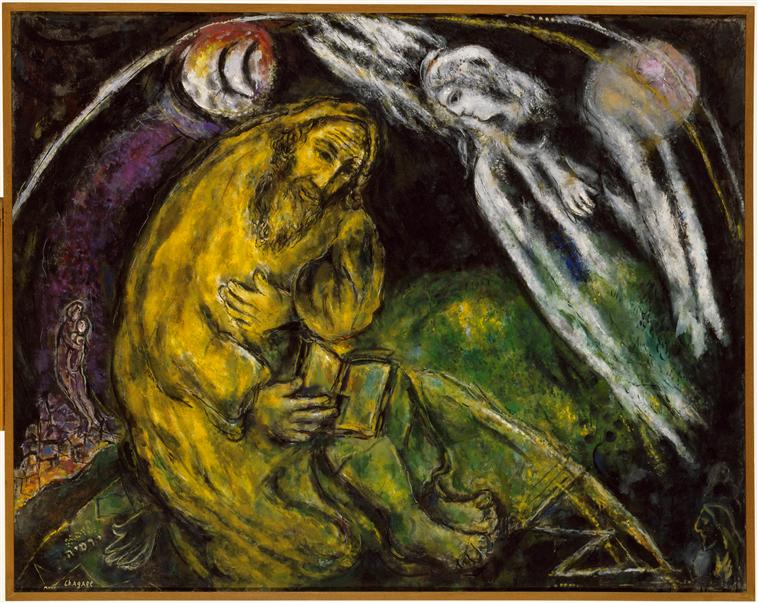
https://uploads4.wikiart.org/images/marc-chagall/prophet-jeremiah-1968.jpg

The year is 1931.  In the United States, the effects of the Great Depression are beginning to take a toll.  In Europe, unease reigns supreme.  The feeble peace brought by the treaty of Versailles still holds, but is beginning to crumble.  Antisemitism is once more on the rise.  As always when times are troubled, a scapegoat is found.  In the lead up to the horrors of World War II, Europe brings back the traditional bogeyman of the Jew.  While it is still years removed from the absolute evil of the Holocaust, Jewish life in Europe feels threatened.

In Italy, Mario Castelnuovo-Tedesco, a famed guitarist and composer of Jewish Heritage is approached by Jascha Heifetz with a request.  Heifetz wishes have a concerto composed for him, to be premiered by himself and Arturo Toscanini.  By 1931, Heifetz is already possessed of fame and glamour he will maintain for the rest of his life.  He has also been a naturalized US citizen for six years.  Castelnuovo-Tedesco accedes Heifetz’s request, and so Castelnuovo-Tedesco’s 2nd Violin Concerto, subtitled I Profeti, is born.  Into this work, Castelnuovo Tedesco channels all his pride in his Jewish Heritage, and all his fear and defiance towards the uncertain grim future.

I Profeti is divided into three movements, each named after a prophet from the Torah (Old Testament).  These movements are, in order:

  1. Grave e meditative Isaiah
  2. Espressivo e dolente Jeremiah
  3. Fiero e impetuoso (ma sostenuto e ben marcato il ritmo) Elijah

While the concerto is generally in minor mode, the final movement Elijah is a rather boisterous march in major.  This, combined with the fireworks in the solo violin may signal Castelnuovo-Tedesco’s optimistic outlook towards the future.  Another, darker interpretation, stems from the religious implications of Elijah’s return.  According to Jewish liturgical lore, Elijah is set to return at the end of the world, at the age of ultimate redemption.  [Side note – every Passover, Jewish Families set aside a cup of wine at Seder for Elijah, and leave a door open for him]  Thus, the celebratory finale may also be seen as a sign of Castelnuovo-Tedesco’s readiness for the end of days.

While the social implications of such a work of art are clear, the political implications may be more obscured.  Unfortunately, both in 1931 and now, Hate is political.  To stand up to it then becomes a poltical gesture in itself.  Castelnuovo-Tedesco was under no obligation to open himself up to further attacks by exposing his Jewishness in such a clear manner.  Yet, he chose to remain true to himself and his heritage.  Often, a work of art becomes more than the simple lines on canvas or sound waves in a concert hall – it becomes imbued with the politics and social standings of its creator.

While a work of art can reflect history, it can not change it.  Castelnuovo-Tedesco’s valiant effort to change his world through his art failed, as history shows.  Persecution of Jews in Italy only escalated.  By the late 1930’s, works by Jewish composers were no longer permitted on the stage or the airwaves.  Castelnuovo-Tedesco’s livelihood is at stake.  In 1939, months before the beginning of World War II, he flees to the United States, where he rejoins Heifetz in California, which has become a hub of the artistic Jewish Émigré community.  He remains there for the rest of his life through his death in 1968, and rebuilds his reputation, composing soundtracks for over two hundred Hollywood films, as well as numerous works for guitar.
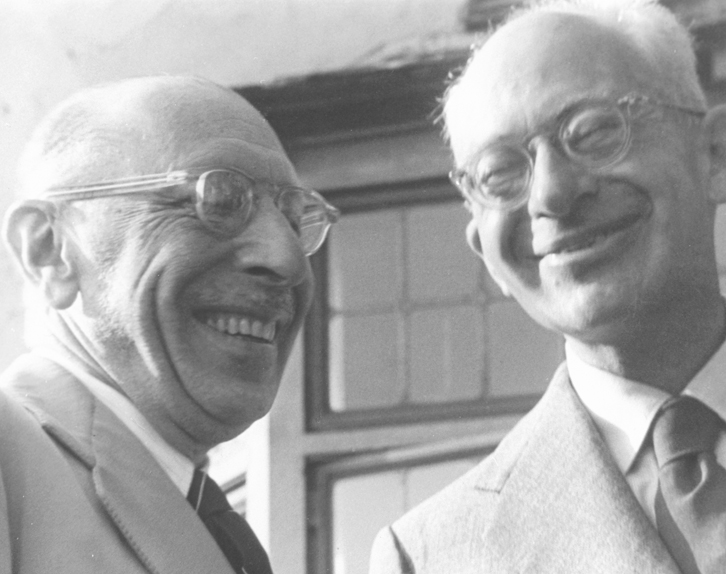
(Castelnuovo-Tedesco with Igor Stravinsky – http://www.milkenarchive.org/artists/view/mario-castelnuovo-tedesco/)

To me, I Profeti holds a special place in the pantheon of works for violin for the defiance that went into its composition.  Castelnuovo-Tedesco refused to be cowed into submission by the forces of hatred.  He chose to celebrate his Jewish Heritage rather than be terrified by the consequences of it.  I Profeti stands strong as a celebration of Jewish Culture and learning, and remains relevant today not just as a work of art, but as an act of political courage.


Sources:

Biography

http://www.milkenarchive.org/music/volumes/view/a-garden-eastward/work/violin-concerto-no-2/

http://www.chabad.org/library/article_cdo/aid/111833/jewish/The-Prophet-Elijah.htm

https://en.wikipedia.org/wiki/Mario_Castelnuovo-Tedesco

Europe in 1931

Elon, Amos. The Pity of It All: a Portrait of German Jews 1743-1933. Penguin, 2004.
Musicians During the Great Depression

How important is it for artists to create or play music that is personal to them? Artists during the Great Depression were hired to be in the WPA by the American Government in the 1930s. They were paid to write and play music that lifted the spirits of a poor nation, that showed patriotism and pride in the US. Orchestras would play selections from the European classics as well, but were always required to play music from an American composer. These American composers were heavily influenced to write in as American of a style as possible, with the overall goal of ending the Depression.

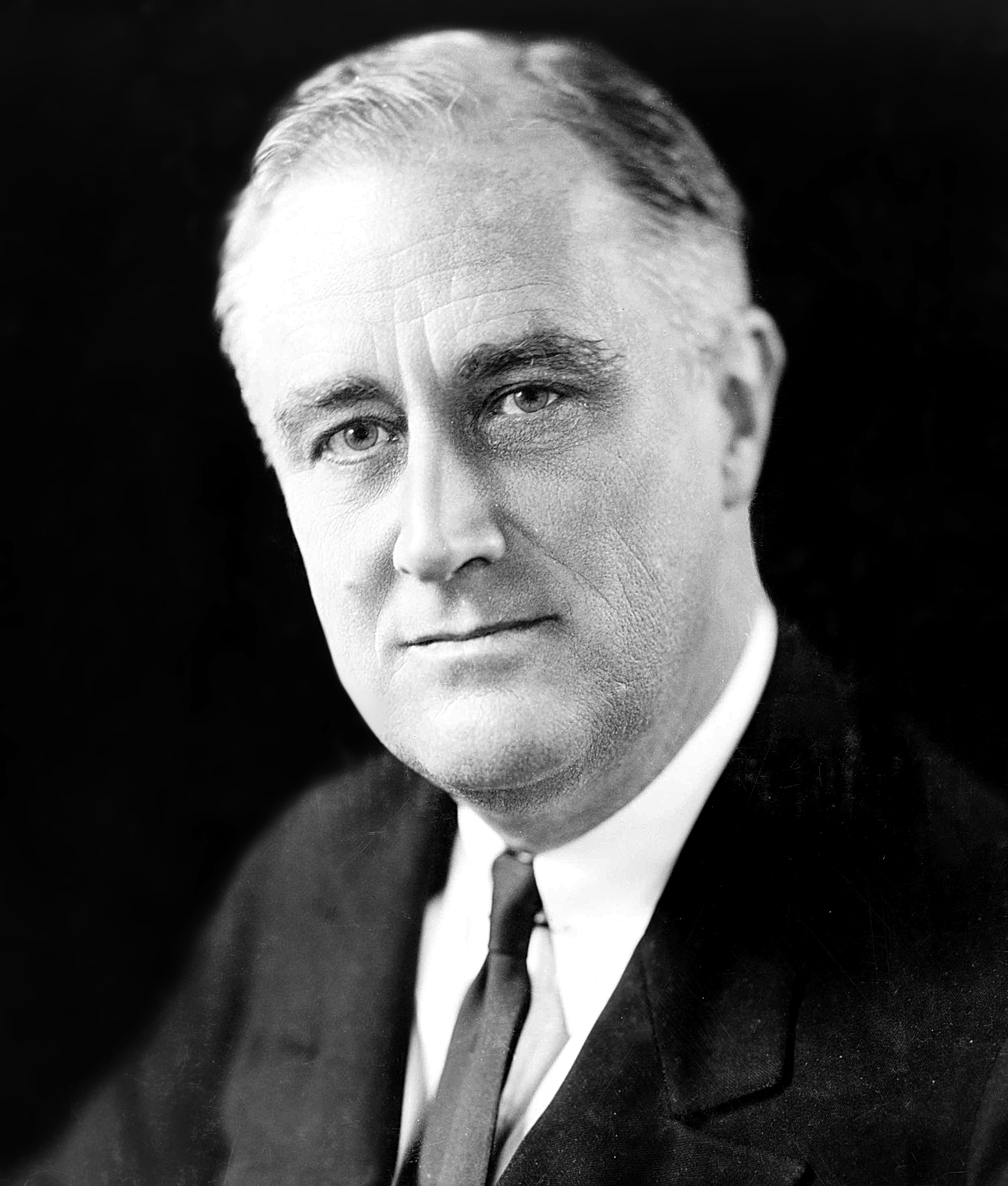
The WPA began on May 6th, 1935 by the Franklin D. Roosevelt administration. The purpose of the Works Progress Administration was to give jobs to Americans during the Great Depression. This was part of FDR’s New Deal, and the idea was to put the Americans to work being creative and uplifting the spirits in the nation. Eleanor Roosevelt was a major influence on FDR to create jobs for Americans in their field where they could be paid, this was very important for boosting the pride and self confidence of Americans. The WPA had many branches to it, and the one for musicians was called the FMP (Federal Music Project). The FMP hired all sorts of musicians including teachers, orchestral players, chamber music players, jazz musicians, singers, composers, etc. It was a bit of a struggle to get classical musicians to support American music at the time, because there was a huge appreciation for European music. Since the WPA was made to create American jobs and focus on American success, it was very important to the US government to insist on a certain amount of the music to be composed by American composers.

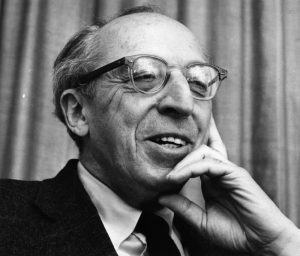
One of these American Composers hired by the WPA was Aaron Copland. Many composers of this time were pretty far left on the political scale, and Copland was not necessarily an exception although he didn’t seem to be an activist. During this war and anti-communist period, the political party in power was the Democratic Party but it was on the conservative side, so as not to appear socialist. This made far leftist musicians not the majority, although the majority of artists and intellectuals were interested in socialist values. Despite some political differences, the WPA still hired musicians based on merit more-so than political ideology (although there were a few cases where the government would not fund a show if it had “inappropriate” content, such as in the play The Cradle Will Rock by Marc Blitzstein). Copland was very popular among the population and the government. He created the sound that we associate “American” music with now. Some of his most famous pieces include Rodeo, Billy The Kid, and Appalachian Spring. He used many American folk tunes to create nationalist music, very similar to how European composers wrote their nationalist music. For example, Appalachian Spring is heavily influenced by Stravinsky’s Rite of Spring because of its use of authentic national music.


https://www.youtube.com/watch?v=WVahuS9hk_s

The question that I have to ask about this program; did it cause composers and musicians to write or play music they wouldn’t naturally have done? And is it the right of the American government to dictate what should be written and played? In the 2017 article Trump is Wrong if He Thinks Symphonies are Superior, Mr. Tommasini writes that President Trump believes that Western music was far superior to specifically Radical-Islamic cultures, essentially encouraging American classical composers to write music to show how much better we are than other cultures. Many politicians during the Great Depression were so afraid of communism (much like Trump is of Islam), that they wanted music to influence American values to show how different they were from communists. Yet by doing this, they copied what the Soviet Union was doing during the Socialist Realism period. Composers in the Soviet Union, like Shostakovich, were afraid of writing music that wasn’t liked by the government because they could be arrested, so they had to find ways to write music following those rules or at least hiding it so well that no one understood. Copland wasn’t afraid of the government coming to take him away in the middle of the night, but it is possible that composers would fear they wouldn’t have a job if they wrote anti-American music. They had to create something that they didn’t necessarily believe in, especially if they were socialists/communists.

Where is the line that we as musicians shouldn’t cross to remain true to our creative selves? Is it more important to treat music as a job or as an art, or can it be both? I don’t think it is fair to say that Copland was a sellout to the American government, but how much should we allow the government to dictate what we can create as art?