Remove your headphones and an odd scene is revealed before you. All around people smile and laugh as they sway and shuffle about and yet there is something missing. This dance floor is eerily quite. There is no band. There’s not even any music playing out loud! Every person is in fact in their own world, isolated by a wall of sound in their brightly colored headphones. This is the silent disco!
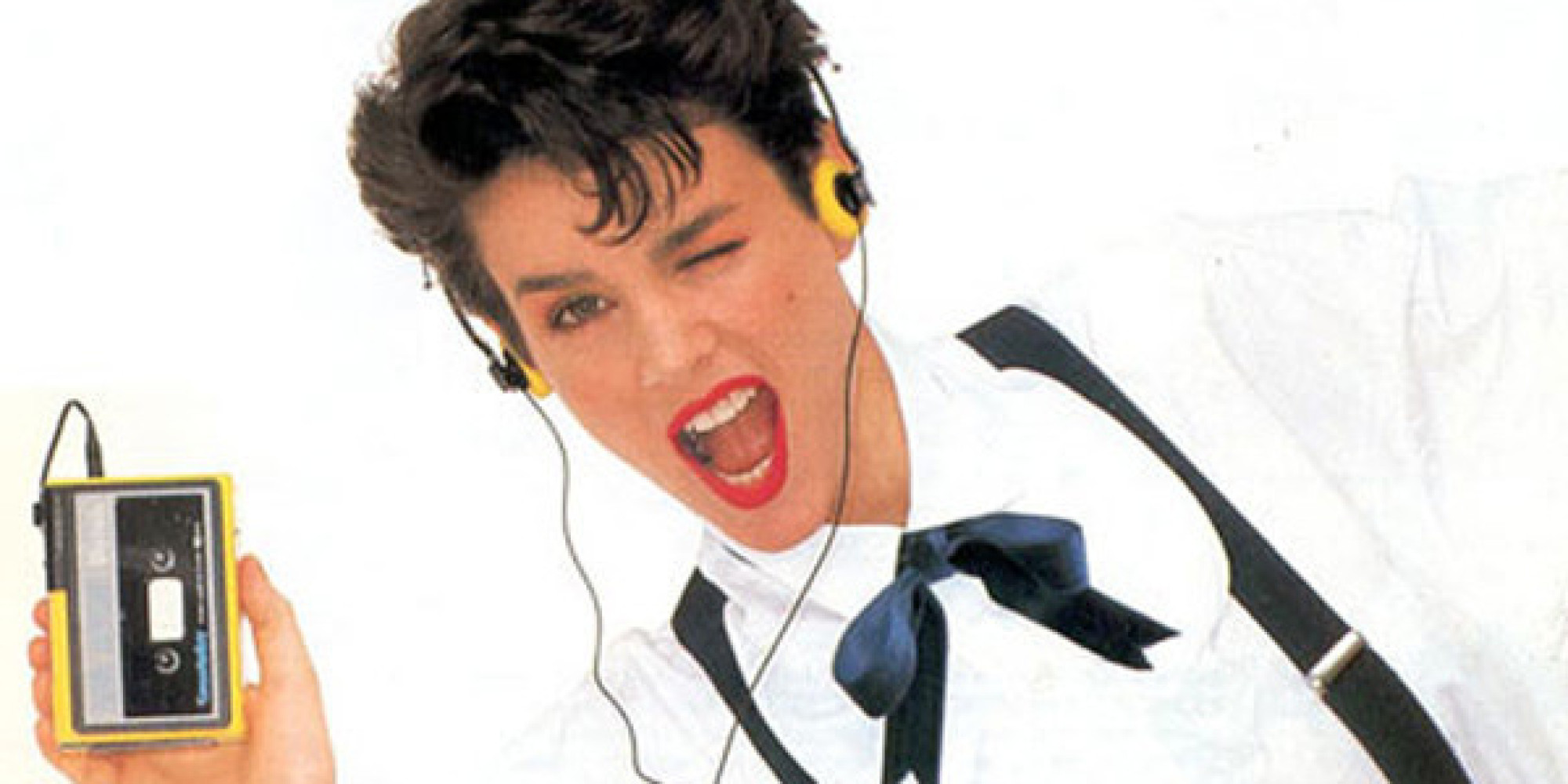
It has been a long road to the world of “mobile clubbing”. Like many modern technologies, headphones have had a long and often static history, with more rapid evolution coming in recent years. The first headphones, designed by Ernest Mercadier, were used in the late nineteenth century for telephone operators. Shortly thereafter headphones were introduced to the music industry as the company Electrophone began a service in which Londoners could listen to live broadcasted performances of music and theatre. After a long stretch in which developments in headphone technology mainly came from the military, John Koss achieved the next defining moment. An avid music listener, Koss designed the first stereophonic headphones which resulted in higher audio quality and a more authentic listening experience. The most current advancement has not come in the form of headphones but in music players. Sony’s “Walkman” and more recently Apple’s “iPod” have worked hand in hand with headphones to enact fundamental changes in the way we consume and produce music

The advent and widespread use of headphones has motivated adjustments in the way recorded music is produced. The primary reason behind these changes is physical; unlike stereo speakers, headphones contain a relatively small audio-producing mechanism and feed directly into each ear. These two differences create some issues and a quick Google search will uncover a raging debate on the proper methods of mixing music in today’s world. How can one make music sound good on monitors and in headphones? Is it ok to mix a recording using headphones? Is it absolutely necessary to mix with headphones?
In an article on forbes.com, Nick Messitte explains how producers boost the mid-range overtones of bass sounds to “fool” your ears into thinking there is more bass than earbuds can actually produce. What headphones lack in bass output, they more than make up for in mid-range frequencies and producers have learned to take full advantage.
The “in-ear” nature of headphones has also necessitated some changes in effective music recording methods. This article explains why panning instruments to different channels is no longer a good option. When instruments are panned to one side or the other on stereo speakers, it can make the recording sound more authentic; when we hear live music, the musicians are generally set up in some configuration in front of us so that we hear each instrument slightly more strongly in one ear than the other. There is a phenomenon by the name of “crossfeed” in play here. If a sound emanates from your right, your right ear will receive the signal more strongly and fraction of a second before your left. Your brain has learned to localize the source of sounds from this specific set of signals. The issue with headphones is that they eliminate natural crossfeed as each ear hears only what comes out of its respective side. If a recording includes panned tracks then it will sound somewhat unnatural as we hear the instrument more strongly in one ear, associate it with being positioned to the corresponding side, but then don’t receive the validation of the weak delayed signal in our other ear. A good example of this is The Beatles’ “Eleanor Rigby”. The Youtube version features all the tracks sounding straight down the middle (more or less) while the Spotify version has heavily panned lead vocals. Listen with headphones to each version, paying special attention to 0:13 where the first verse begins.
The panned version sounds as though Paul McCartney is singing directly into your right ear! The more recently adjusted version sounds more natural. As illustrated by this example, it makes sense for producers to move away from panning in favor of pleasing headphone listeners, even at the expense of losing the more “live” atmosphere of well mixed stereo recordings.
In a more abstract but just as important way, headphones have changed the way humans consume and interact with music. In an article in The Atlantic, Derek Thompson points out research that music evolved to “serve as a technology of social bonding”. Although Western cultures have been moving toward a more elite and specialized use of music for some time, the widespread use of headphones completes the about-face from “social bonding”. Headphones allow us to enjoy music completely alone, acting as a portable auditory social barrier even in the midst of a crowded social space.
While losing interpersonal connections is concerning, David Byrne worries at an even deeper level about the lose of connection with ourselves. In his book, How Music Works, Byrne argues that the constant presence of recorded music in our lives, enabled in large part by the technology of headphones, prevents us from hearing the “music ‘playing’ in our heads”. His point is that the humming, whistling, and audiating we constantly engage in while not listening to music is much more than a silly habit. It is in fact an essential creative process that connects us more deeply to music. In the age of headphones, music is more and more often a solitary one-way street in which we consume but fail to interact. Too often we defer to listening to what Byrne calls the “experts” (recorded artists) and forget that silence is absolutely necessary to allow for processing, synthesizing, and creating. Music is interactive in nature and we must avoid allowing headphones to lead us to becoming increasingly passive listeners.
From the tangible effects of adjusted production techniques to less obvious changes in the ways we consume music, headphones have had profound impacts on our lives. In conjunction with the advent of recorded music and portable music players, headphones have allowed music to be both more present in our lives and also more isolating than ever before. While headphones can be a wonderfully convenient and useful technology, it would be smart of us to be conscious of when and why we use them and how they effect our relationship to the music we can’t seem to get enough of.
Sources:
www.theatlantic.com/technology/archive/2012/05/how-headphones-changed-the-world/257830/
www.smithsonanmag.com/arts-culture/a-partial-history-of-headphones-4693742
www.stuff.tv/features/headphones-complete-history/rise-walkman-1979-1990
https://ehomerecordingstudio.com/best-mixing-headphones/
Byrne, David. “How Music Works.” Three Rivers Press, an Imprint of the Crown Publishing Group, a Division of Penguin Random House LLC, 2017, pp. 139–141.